

Table of Contents
- What Makes a Formal Dress Fabric Comfortable
- Comparison Table: Formal Dress Fabrics at a Glance
- Chiffon vs Crepe for Evening Dresses
- Silk vs Satin Formal Dress: Which Feels Better
- Breathable Fabrics for Formal Wear in Warm Weather
- Stretch Formal Dress Fabric: Movement Without Compromise
- How to Choose the Right Formal Dress Fabric for Your Event
- Frequently Asked Questions
Last Updated: October 10, 2026
What Makes a Formal Dress Fabric Comfortable
Comfort in formal dress fabrics depends on three core factors: breathability, weight, and how the material moves against your skin. When you're standing for hours at a wedding or gala, these details matter far more than appearance alone. The best formal dress fabrics for comfort balance structure with flexibility, keeping you cool without losing their elegant drape.
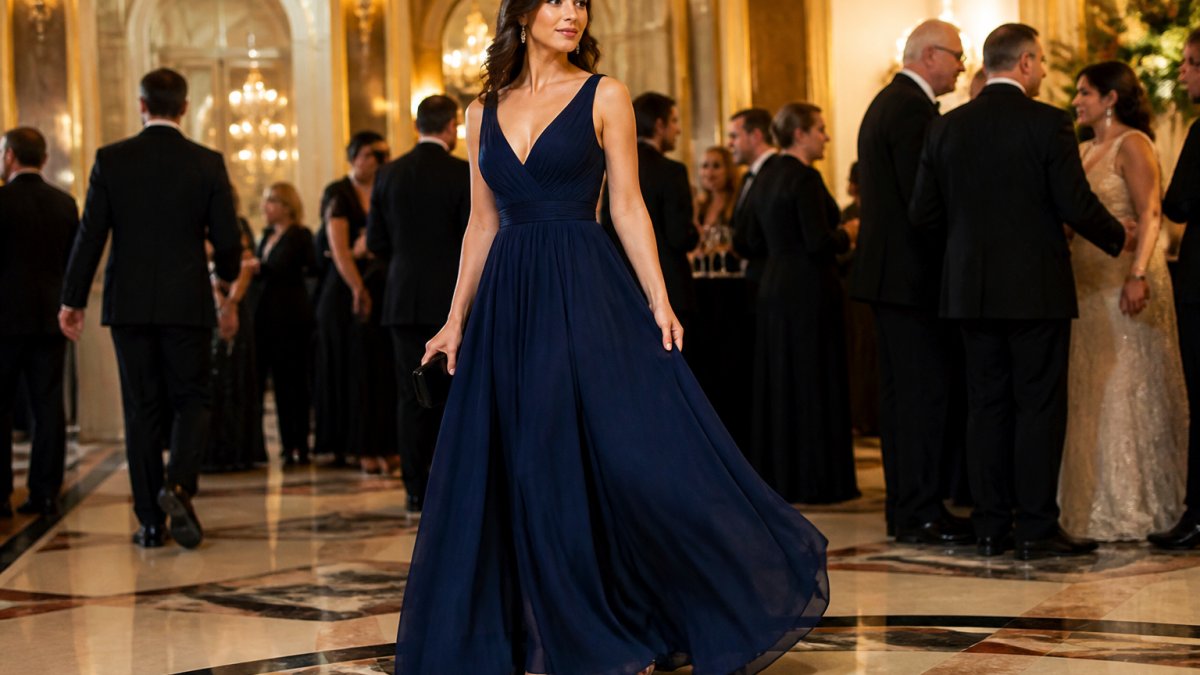
At MISTY'S, we've built our formalwear collection around this principle. Breathability prevents heat buildup and moisture retention. Weight affects how long you can wear the dress without fatigue. And the right fabric allows you to move, sit, and dance without restriction. Many women overlook these factors when choosing formal wear, focusing instead on how a dress looks in photos rather than how it feels after the first hour.
The fabric's fibre composition determines its performance. Natural fibres like silk and cotton breathe better than synthetics, though quality polyester blends now rival natural options. Weave structure matters too: loosely woven fabrics breathe better than tightly constructed ones, but tight weaves hold their shape longer. Understanding these trade-offs helps you choose based on your specific event and climate.
Comparison Table: Formal Dress Fabrics at a Glance
| Fabric | Weight | Breathability | Best For | Key Consideration |
|---|---|---|---|---|
| Chiffon | Very light | Excellent | Warm weather, outdoor events | Requires lining to prevent transparency |
| Crepe | Light | Very good | All-season formal wear | Wrinkles easily without proper care |
| Silk | Light to medium | Very good | Luxury events, sensitive skin | Expensive, requires delicate handling |
| Satin | Medium | Moderate | Evening galas, structured looks | Can feel heavy in humidity |
| Georgette | Light | Good | Layered designs, movement | Similar to chiffon but with more structure |
| Polyester blend | Medium | Good | Durability, wrinkle resistance | May feel less luxurious than natural fibres |
| Tulle | Very light | Good | Layered skirts, volume | Itchy without proper lining |
Chiffon vs Crepe for Evening Dresses
Chiffon wins for breathability and weightlessness. This sheer, airy fabric floats around your body, making it ideal for warm weather and outdoor celebrations. The downside: chiffon requires careful lining because it's transparent, and the delicate fibres demand gentle handling. For a garden party or summer gala, chiffon delivers unmatched comfort.
Crepe offers more structure than chiffon while staying lightweight. The fabric's crimped texture creates natural drape without clinging to your body. Many find crepe more forgiving for all-day wear because it holds its shape better as the day goes on.
The real difference comes down to your event. Choose chiffon for outdoor summer events where air circulation matters most. Choose crepe when you need a fabric that moves beautifully but won't show every fold and sit line. MISTY'S offers both options across our formalwear range. The Riviera Dress in flowing chiffon, for example, is engineered specifically for warm-weather comfort with its lightweight, breathable construction.
Silk vs Satin Formal Dress: Which Feels Better
Silk feels luxurious against the skin and breathes naturally, making it the comfort choice for sensitive skin or long events. Real silk is expensive, but the investment pays off in how it moves and drapes. Silk doesn't cling, doesn't trap heat, and develops a subtle sheen that photographs beautifully.
Satin delivers shine and structure but sacrifices some breathability. This fabric sits heavier on your body, which works well for structured gowns that need to hold their shape. Satin can feel warm in humid conditions because the smooth surface doesn't allow air circulation like silk does. For evening galas in climate-controlled venues, satin shines.
Many formal dresses use a silk-satin blend to balance both benefits: the drape and breathability of silk with the structure and durability of satin. This hybrid approach gives you comfort without sacrificing elegance. MISTY'S Open-Back Satin Halterneck Mini Dress uses pure satin for its refined, feminine edge, making it ideal for indoor evening events where the structured drape matters more than temperature regulation.
The key insight most guides miss: satin's weight becomes a liability in heat. If your venue lacks air conditioning or the event runs into warm evening hours, silk or silk-blend fabrics outperform satin every time.
Breathable Fabrics for Formal Wear in Warm Weather
When temperature matters, prioritise lightweight, loosely woven fabrics that allow air circulation and moisture evaporation. Chiffon and georgette top the list for warm-weather formal events. Both have an open weave structure, typically 40-60 threads per inch compared to 80+ for satin, that prevents the trapped-heat sensation heavier fabrics create. Linen blends also work well.
How to assess breathability in practice: Hold the fabric up to light. If you can see through it easily, air will flow through it. Tightly woven fabrics (like satin or taffeta) block light and trap moisture against your skin. Loosely woven fabrics (like chiffon) transmit light and allow evaporation. This simple test predicts real-world comfort better than fibre content alone.
Polyester chiffon has become a practical alternative to silk chiffon. It breathes nearly as well, resists wrinkles better, and costs significantly less. MISTY'S Aero Chiffon Flutter-Sleeve Midi Dress uses premium polyester chiffon specifically engineered for warm conditions, with flutter sleeves that add breathability around the shoulders and underarms, areas where moisture accumulates during long events.

The lining factor: Even breathable outer fabrics become uncomfortable if lined with non-breathable material. Polyester taffeta lining traps heat and moisture; cotton or silk lining allows air circulation. If you're choosing a formal dress for a warm-weather event, inspect the lining.
Performance in humidity: Humidity prevents sweat evaporation, making even breathable fabrics feel clammy. In humid conditions, prioritise natural fibres (silk, cotton, linen blends) over synthetics. Natural fibres absorb moisture without clinging to your skin the way polyester does. If you must wear a synthetic blend in humidity, choose one with a cotton or silk lining and ensure the outer fabric has a loose weave.
Avoid heavy satins, velvets, and tightly woven brocades in warm weather. These fabrics trap heat and moisture, leaving you uncomfortable within the first hour.
Stretch Formal Dress Fabric: Movement Without Compromise
Stretch fabrics have revolutionised formal wear comfort by allowing natural movement without sacrificing structure. A 5-10% elastane (spandex) blend is the industry standard for formal wear, enough to provide freedom of movement without distorting the garment's shape or creating a sporty appearance.
Woven vs knit stretch fabrics: Most formal stretch fabrics are woven (like stretch crepe or stretch satin) rather than knit. Woven stretch fabrics hold their shape and drape elegantly because the elastane is integrated into the weave structure without changing the fabric's visual character.
White Chiffon Flower Lace Wedding Dress Tail Dress Fabric →
How stretch affects real-world comfort: Traditional formal fabrics like structured crepe and heavy satin offer no give. You move within the dress rather than the dress moving with you. When you sit, the fabric doesn't flex, it bunches, pulls, or restricts your posture. Stretch-enhanced versions solve this problem without sacrificing elegance.
Seam placement and fit amplify stretch benefits: A well-fitted dress with stretch fabric in the right places outperforms a loose-fitting dress in non-stretch fabric. Side seams with 5% elastane allow your ribcage to expand when you breathe and sit. Back seams with elastane let you move your arms freely.
Stretch and sensitive skin: Elastane-blended fabrics are generally safe for sensitive skin if the outer fibre is natural (silk, cotton) or high-quality synthetic. However, the elastane itself can cause irritation in people with latex sensitivity (rare but possible).
MISTY'S Bella Tulle & Chiffon Bridesmaid Midi Dress balances structure with comfort through its tailored bodice and fluid skirt design.

The trade-off: Stretch fabrics cost 15-25% more than non-stretch alternatives and may not hold pleats as crisply as non-stretch fabrics. Elastane can degrade over time with repeated washing and exposure to chlorine or sunlight, so stretch dresses require more careful care.
How to Choose the Right Formal Dress Fabric for Your Event
Start with three questions: How long will you wear it? What's the venue temperature? What's your activity level?
Long events (6+ hours): Prioritise breathability and weight. Chiffon, georgette, and silk outperform heavier fabrics. Avoid satin and velvet unless the venue is heavily air-conditioned.
Outdoor or warm-weather events: Lightweight, loosely woven fabrics are non-negotiable. Chiffon, linen blends, and cotton-based fabrics prevent overheating. Skip dark colours in heavy fabrics, they absorb heat.
High-movement events (dancing, assisting, standing): Stretch fabrics and naturally flexible materials work best. Crepe, chiffon, and stretch-enhanced blends allow freedom without looking casual.
Formal seated dinners: Structure matters more than breathability. Satin, taffeta, and structured crepe hold their shape beautifully throughout the evening.

Sensitive skin: Silk and natural-fibre blends reduce irritation. Avoid synthetic fabrics that don't breathe, and ensure proper lining between your skin and the outer fabric.
MISTY'S Helena Greek-Style Pleated Floor-Length Maxi Dress demonstrates how fabric choice enables specific functionality. The cotton-polyester blend balances breathability with wrinkle resistance, while the precision pleats remain sharp all night because the weave holds structure without sacrificing comfort.
| Event Type | Best Fabric | Why | MISTY'S Option |
|---|---|---|---|
| Outdoor summer wedding | Chiffon | Breathable, lightweight, elegant | The Riviera Dress |
| Indoor evening gala | Satin or silk | Structure and shine in controlled climate | Open-Back Satin Halterneck |
| Warm-weather garden party | Georgette or linen blend | Airflow without wrinkles | Aero Chiffon Flutter-Sleeve |
| Formal seated dinner | Structured crepe or taffeta | Holds shape through long evening | Helena Greek-Style Pleated |
| Bridesmaid all-day event | Stretch-enhanced blend | Movement plus structure | Bella Tulle & Chiffon |
Choosing the best formal dress fabrics for comfort means understanding how different materials perform under real-world conditions. Breathability, weight, and movement capacity determine whether you feel confident and comfortable or restricted and overheated. The fabric you choose should match your specific event, climate, and how long you'll wear it.
MISTY'S curates formal wear collections built on these principles. Every piece in our range balances atelier-grade craftsmanship with practical comfort, whether you're attending a summer garden party or a black-tie evening gala. Our worldwide shipping and easy returns policy mean you can explore our collection with confidence, knowing you can find the right fabric for your event without compromise. Shop MISTY'S formalwear today and discover how the right fabric transforms your formal experience.
Frequently Asked Questions
What fabric is best for formal dresses?
The best formal dress fabrics depend on your event and climate. Chiffon and georgette offer lightweight breathability for warm weather and outdoor events. Satin and silk provide smooth, luxurious drape for classic evening wear. Crepe gives structure with subtle movement. Cotton-polyester blends balance breathability with wrinkle resistance. Consider your comfort priorities: if you need airflow, choose chiffon; for smooth elegance, select satin; for all-day support, opt for structured blends like those in our Helena Greek-Style Pleated Floor-Length Maxi Dress.
Which formal dress fabrics are most breathable?
Chiffon, cotton-linen blends, and lightweight georgette are the most breathable formal dress fabrics. Chiffon allows air circulation while maintaining elegance, making it ideal for long events in warm conditions. Cotton-linen blends, like those used in our Strapless Relaxed-fit A-line Long Dress ($79.54), offer natural breathability and comfort against the skin. Polyester chiffon, used in our Aero Chiffon Flutter-Sleeve Midi Dress ($120.00), combines breathability with wrinkle resistance, keeping you cool and crisp throughout the evening.
Is satin comfortable to wear for a long formal event?
Satin can be comfortable for extended wear if the dress is well-constructed with proper lining and seams that don't irritate skin. Satin's smooth texture feels luxurious against the skin and drapes beautifully, but without adequate lining, it may cause friction or cling uncomfortably. Our Open-Back Satin Halterneck Mini Dress ($96.55) features silky satin with fluid drape designed for elegance.
What is the best formal dress fabric for warm weather?
Lightweight chiffon, cotton-linen blends, and fine crepe are best for warm-weather formal events. These fabrics allow air to circulate, preventing heat buildup and moisture retention. Chiffon's sheer, flowing nature makes it ideal for garden parties and outdoor galas. Our Aero Chiffon Flutter-Sleeve Midi Dress ($120.00) and The Riviera Dress with Chiffon Ruffle Hem ($138.36) both feature breathable chiffon designed for warm days. Avoid heavy satins, velvet, and dense polyester blends in hot climates, as they trap heat and reduce comfort during extended wear.