

Table of Contents
- Understanding Formal Dress Code Etiquette
- How to Choose Evening Gown Silhouettes for Different Body Shapes
- Choosing Evening Gown Colours for Your Skin Tone
- Selecting Fabrics and Finishes That Drape Well
- Matching Your Gown to the Occasion
- Evening Gown Alteration Tips for Perfect Fit
- Accessorising Your Evening Look
- Conclusion
Last Updated: August 13, 2026
Understanding Formal Dress Code Etiquette
Formal dress codes range from black-tie (the most rigorous) to cocktail attire, and each carries specific expectations about silhouette, hemline, and embellishment. Black-tie requires floor-length gowns with refined details, whilst cocktail attire allows more flexibility in length and style. Understanding these distinctions helps you select an evening gown that respects the occasion without feeling overdressed or underdressed.

The difference between these codes matters more than most people realise. A floor-length mermaid cut works beautifully for a gala, but the same dress at a cocktail event can feel excessive. Conversely, a knee-length dress at a formal wedding reads as casual disrespect. Before shopping, check the invitation for specific wording, it's your clearest guide to what's expected.
Beyond length, formal events expect polished finishing touches. That means attention to tailoring, fabric quality, and how your gown moves. A poorly fitted floor-length gown undermines even the most luxurious fabric. This is where atelier-grade craftsmanship makes a real difference, garments designed with precision seaming and quality construction hold their shape throughout an evening.
How to Choose Evening Gown Silhouettes for Different Body Shapes
The right silhouette flatters your frame by working with your proportions rather than against them. This is the single most important decision you'll make when shopping for an evening gown, because even a beautifully constructed dress in the wrong cut will feel uncomfortable and look unflattering.
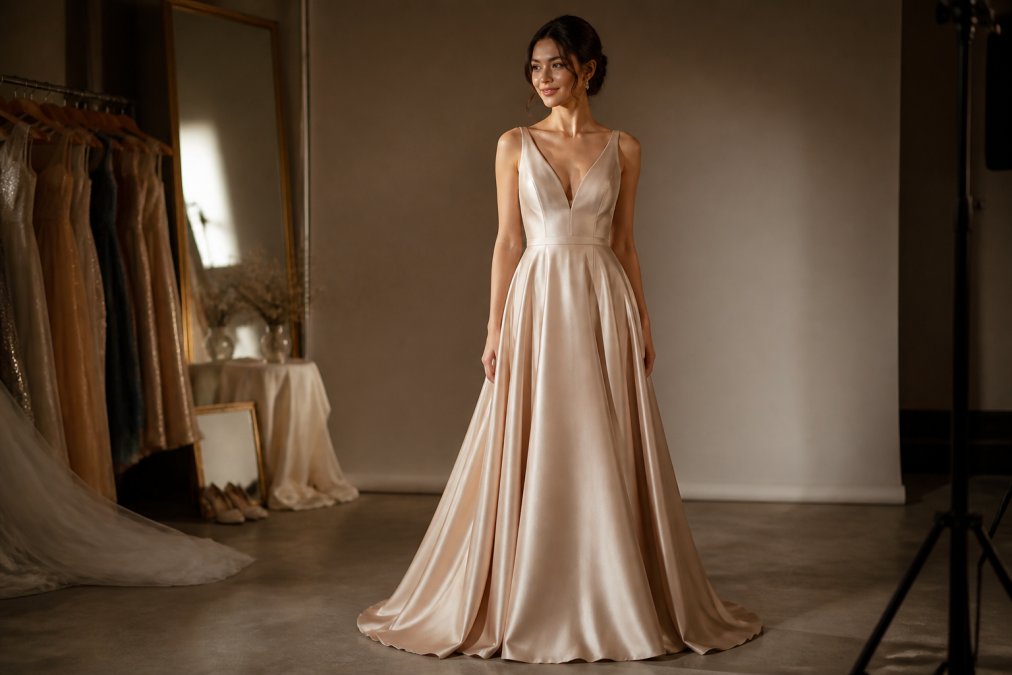
A-Line and Fit-and-Flare Silhouettes
A-line gowns taper at the bodice and gradually widen from the waist downward, creating a balanced silhouette that suits most body shapes. This cut works particularly well for pear-shaped figures (narrower shoulders, fuller hips) because it skims the upper body and provides room through the hip and thigh. The gradual widening also suits apple-shaped figures by drawing focus downward, away from the midsection.
Fit-and-flare silhouettes are similar but with a more defined waist seam. They emphasise the narrowest part of your torso, making them ideal for hourglass figures with balanced proportions. If you have a defined waist and want to highlight it, this cut delivers elegance without excess fabric. The MISTY'S One-Shoulder Lace Evening Gown exemplifies this refined approach, with delicate lace detailing that adds visual interest whilst maintaining a simplified silhouette.
The key advantage of A-line and fit-and-flare cuts is versatility. They work across multiple body types because they follow natural body contours rather than fighting against them.
Mermaid and Bodycon Cuts
Mermaid cuts hug the body from shoulder to knee, then flare dramatically into a train. This silhouette demands confidence and a body type that suits close-fitting garments. Mermaid gowns work beautifully for rectangular or athletic frames because the fitted bodice creates definition, and the flared hemline adds curves. They also suit hourglass figures who want to emphasise their shape.
The trade-off is that mermaid cuts require flawless tailoring. Any fit issues become immediately visible. If your thighs or hips are sensitive about close-fitting fabric, this cut will feel uncomfortable and show every imperfection. The dramatic train also demands careful movement, you're managing fabric throughout the evening.
Bodycon silhouettes are similarly fitted but without the train. They suit tall frames and lean body types. If you're petite or carry weight in your midsection, bodycon gowns can feel restrictive and unflattering. The Ladies Evening Dress Sexy Tube Top Satin from MISTY'S represents this category, sleek and sensual, but best suited to figures that feel confident in close-fitting garments.

Choosing Evening Gown Colours for Your Skin Tone
Colour choice matters because it either harmonises with your complexion or competes with it. The goal is to let your face and presence shine, not to have your gown overpower you.
Jewel tones, emerald, sapphire, ruby, and amethyst, suit most skin tones because they're rich and complex rather than flat. If you have warm undertones (golden, olive, or warm brown skin), jewel tones like emerald and warm burgundy create beautiful contrast. If you have cool undertones (pink, rosy, or cool brown skin), sapphire and cool-toned purples complement your natural colouring.
Neutral tones like black, navy, silver, and gold are safe choices because they provide a backdrop rather than competing with your complexion. Black is universally flattering and formal, though some people find it harsh against their skin. If black feels too severe, try navy or charcoal instead. These neutral tones also work well for formal events where you want the focus on your silhouette and presence rather than colour.
Warm colours like blush, champagne, and gold suit warm undertones particularly well. These shades create harmony rather than contrast. Cool undertones often find these colours wash them out, so if you have cool undertones, test warm colours carefully before committing.
A common mistake is choosing a colour you love without considering whether it harmonises with your complexion. Spend time under different lighting, natural light, warm indoor lighting, and the type of lighting at your event, to see how the colour interacts with your skin. What looks stunning in a fitting room under bright retail lighting might feel muddy or harsh under the warm lighting at a gala.
Selecting Fabrics and Finishes That Drape Well
Fabric choice determines how an evening gown moves, feels, and photographs. Quality fabrics drape smoothly, hold their shape, and feel luxurious against the skin. Poor fabrics cling awkwardly, wrinkle easily, and cheapen the overall impression.
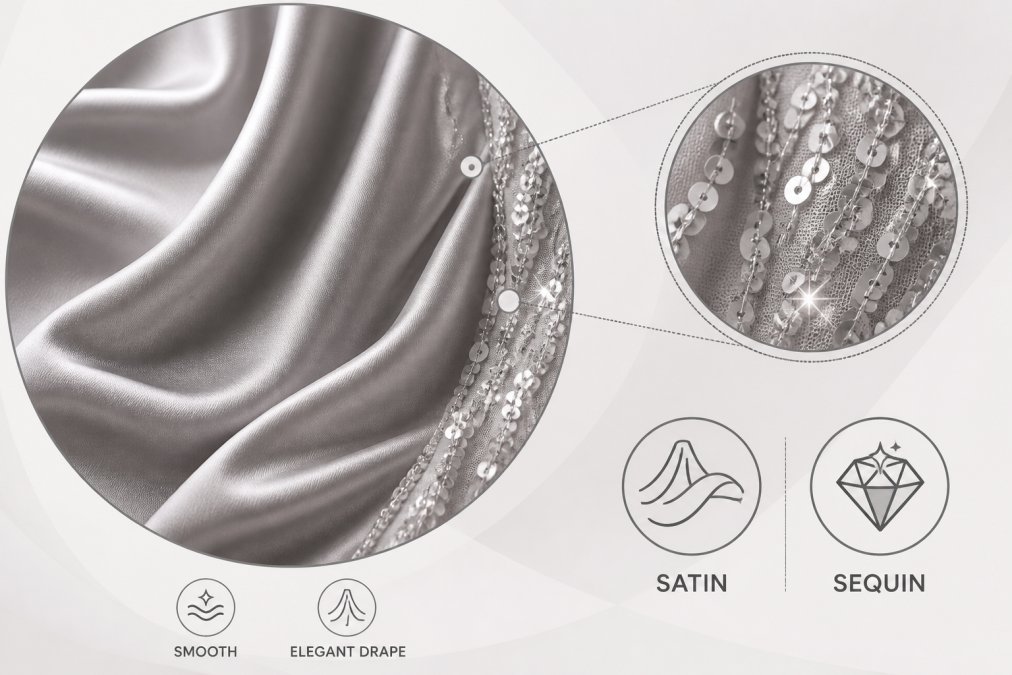
Satin is the gold standard for formal evening wear. It has a subtle sheen that photographs beautifully and drapes with a smooth, elegant flow. Satin feels substantial in your hands and moves gracefully when you walk. The downside is that satin shows every imperfection, seams, undergarments, and body contours are visible. This is why tailoring matters so much with satin gowns. The Ladies Evening Dress Sexy Tube Top Satin from MISTY'S demonstrates how quality satin construction delivers sophistication.
Chiffon is lighter and airier than satin, creating a more ethereal silhouette. It drapes beautifully and feels romantic, making it popular for A-line and flowing silhouettes. Chiffon requires layering (usually over a slip or bodice lining) to prevent transparency and provide structure. A single layer of chiffon alone is rarely sufficient for formal events.
Sequins add glamour and movement. Sequins catch light and create visual texture, making them ideal for statement gowns. The Sequin Cape Evening Gown from MISTY'S showcases how sequins can transform a silhouette into something dramatic and unforgettable. The downside is that sequins add weight and can feel scratchy against the skin if poorly constructed. Quality sequin work uses secure stitching and soft backing so the garment doesn't irritate you throughout the evening.

Lace adds romance and refinement. Quality lace has intricate detailing and drapes beautifully. Poor-quality lace feels stiff and looks cheap. The One-Shoulder Lace Evening Gown from MISTY'S demonstrates how fine lace construction creates an impression of understated elegance.
The fabric you choose should feel good against your skin and move naturally with your body. Spend time touching and moving in different fabrics before deciding. What looks good on a hanger might feel uncomfortable or restrictive when you're wearing it for several hours.
Matching Your Gown to the Occasion
The formality of the event dictates the appropriate level of embellishment and silhouette drama. A black-tie gala calls for floor-length, refined elegance. A cocktail party allows shorter hemlines and bolder colour choices. A wedding requires respecting the bride by avoiding white or bridal silhouettes.
For black-tie events, choose floor-length gowns in jewel tones or classic black. The silhouette should be elegant but not attention-seeking. This is where understated luxury matters, quality fabric and perfect tailoring speak louder than dramatic embellishments. A-line and fit-and-flare silhouettes work beautifully here because they're formal without being theatrical.
For galas and formal dinners, floor-length is standard, but you have more freedom with colour and embellishment. Statement silhouettes like mermaid cuts work here. The Sequin Cape Evening Gown from MISTY'S is ideal for this setting, it's dramatic and memorable without crossing into costume territory.
For cocktail events, you can choose knee-length or midi-length gowns. Colour is more flexible, and you can experiment with bolder choices. Fit-and-flare silhouettes work beautifully, as do more contemporary cuts.
For weddings, avoid white, cream, or bridal-style silhouettes. Choose jewel tones or elegant neutrals. A floor-length gown is respectful at formal evening weddings, but cocktail-length works for daytime or less formal celebrations. The Bridesmaid Dress Long Dress For BFF Bridal Gown from MISTY'S is specifically designed for wedding parties, offering elegance that complements rather than competes with the bride.
Evening Gown Alteration Tips for Perfect Fit
Even the most beautifully constructed gown needs tailoring to fit your body perfectly. Off-the-rack sizing is standardised, but bodies are not. Expect to spend money on alterations, this is not an area to economise.
The most common alterations are hemming (adjusting length), taking in or letting out the bodice, and adjusting shoulder seams. A skilled tailor can make these changes seamlessly. The key is finding a tailor experienced with formal wear. Someone who alters jeans might not understand how to preserve the drape and structure of an evening gown.
Start with a tailor who specialises in formal wear. Ask for recommendations from bridal shops or formal wear retailers. When you meet with the tailor, be clear about how the gown should fit. Bring the shoes you'll wear to the event, heel height affects hemline length. For floor-length gowns, the hem should just kiss the top of your shoe without dragging.
Bodice fit is critical. If the bodice gaps or pulls, the entire silhouette suffers. A good tailor can adjust the side seams, shoulder seams, or darts to create a smooth, fitted bodice. This might seem like a small detail, but it transforms how the gown looks and feels.
Don't alter a gown until you've worn it at least once at home. Walk around, sit down, and move in the dress to identify real fit issues versus perceived ones. Some discomfort is normal in a new dress and disappears after wearing it a few times.
For MISTY'S gowns, the worldwide shipping and easy returns policy means you can order your size, try it at home, and return it if the fit isn't right before investing in alterations. This removes the risk of tailoring a dress that doesn't work for you.
Accessorising Your Evening Look
Accessories complete your evening look, but they should enhance rather than overwhelm your gown. The goal is a cohesive, polished appearance.
An evening clutch is essential, it's formal, practical, and completes the silhouette. Choose a clutch in a metallic finish (gold, silver, or champagne) or in a colour that complements your gown. Avoid large bags or everyday handbags, which undermine the formal impression.
Jewellery should be refined and minimal. If your gown has embellishments like sequins or beading, keep jewellery understated, perhaps just earrings and a bracelet. If your gown is simple, you have more freedom to add a statement necklace or layered jewellery. The key is balance. Too much jewellery competes with your gown and looks cluttered.
Shoes matter more than many people realise. A stiletto elongates the leg and creates an elegant line. Choose a neutral metallic (gold or silver) or a colour that matches your gown. Avoid shoes that clash with your hemline or silhouette. For floor-length gowns, your shoes barely show, so comfort matters more than visibility, choose shoes you can walk and stand in for hours.
Hair and makeup should feel polished but natural. Formal events call for more dramatic makeup than everyday wear, but avoid looking overdone. Updos work beautifully with floor-length gowns because they show off your shoulders and neckline. Loose waves or curls work with gowns that have interesting necklines or back details.
A wrap or shawl adds warmth and elegance. Choose a fabric that complements your gown, silk, satin, or faux fur all work depending on the formality and season.
Choosing an evening gown that makes you feel confident and beautiful requires understanding your body, knowing what formal dress codes expect, and investing in quality construction and perfect fit. The gowns at MISTY'S combine atelier-grade craftsmanship with accessible pricing and worldwide shipping, so you can find a gown that works for your body and budget without compromising on quality. With careful attention to silhouette, colour, fabric, and tailoring, you'll have a gown you love wearing to every formal event.
Frequently Asked Questions
How do I choose the right evening gown for my body type?
Start by identifying your body shape, then select a silhouette that balances your proportions. A-line gowns suit most figures by creating a flattering line from the bust. Fit-and-flare styles emphasise the waist, while mermaid cuts work best for pear-shaped bodies with curves to show. Consider your height too: petite frames suit higher necklines and shorter trains, while taller figures carry floor-length gowns with trains beautifully. Try pieces on and see how the fabric drapes across your shoulders, waist, and hips before deciding.
What colour evening gown works best for my skin tone?
Jewel tones like emerald, sapphire, and ruby suit deeper skin tones beautifully and create dramatic contrast. Fair skin glows in jewel tones, pastels, and classic black or white. Warm undertones pair well with gold-based colours like champagne, bronze, and warm reds, while cool undertones flatter silver, platinum, and cool-based reds. Neutral tones like navy, charcoal, and ivory work across all skin tones. Hold fabric samples near your face in natural light to see which shades make your complexion appear brighter and more radiant.
What's the difference between black-tie and cocktail attire for evening wear?
Black-tie events require formal floor-length gowns in classic colours like black, navy, or jewel tones, often with embellishments or structured tailoring. Cocktail attire is less formal and allows for shorter hemlines (knee-length or midi), more playful colours, and varied fabrics including sequins and satin. Black-tie gowns typically feature elegant simplicity or dramatic details, while cocktail dresses offer more creative freedom. Check the invitation for the specific dress code, and when in doubt, opt for floor-length formality.
How much should I budget for alterations to my evening gown?
Expect to spend between $50 and $150 for standard alterations like hemming, taking in seams, or adjusting straps. Complex work, adding boning, restructuring the bodice, or extensive beading removal, can cost $150 to $300 or more. Budget for alterations when purchasing your gown, as atelier-grade pieces often fit closer to your exact measurements than mass-produced options. Many retailers, including MISTY'S, offer easy returns if fit is a concern, so you can order multiple sizes and return what doesn't work.
This article was written using GrandRanker