

Table of Contents
- What Defines Sustainable Evening Wear
- Ethical Formal Wear in Australia: Materials and Standards
- Renting vs Buying Formal Wear: Making the Right Choice
- How to Style Sustainable Evening Wear for Any Occasion
- Identifying Greenwashing in Formal Fashion
- Timeless Silhouettes That Last Beyond One Event
- Building a Sustainable Formal Wardrobe Without Breaking the Budget
- Conclusion
- Frequently Asked Questions
Last Updated: September 29, 2026
What Defines Sustainable Evening Wear
Sustainable evening wear refers to formal clothing designed with environmental and ethical responsibility in mind. It's the opposite of fast fashion, garments built to last multiple seasons, made from materials that minimise environmental impact, and produced under fair labour conditions.
Traditional evening wear prioritises cost and speed over longevity. Sustainable pieces prioritise durability, timeless design, and transparent supply chains, garments you'll wear repeatedly across years, not once and forget.
The fashion industry generates significant textile waste. Sustainable evening wear combats this through garments engineered for repeated wear. MISTY'S curates atelier-grade pieces designed as lasting wardrobe staples.
Ethical Formal Wear in Australia: Materials and Standards
Ethical formal wear starts with material choice: organic cotton, recycled polyester, linen, and peace silk reduce environmental impact compared to conventional alternatives.
Look for GOTS (Global Organic Textile Standard) or OEKO-TEX certification, third-party standards that provide assurance beyond marketing claims.
Fair trade certification ensures workers receive fair wages and work in safe conditions throughout production (Textile Standard).
Supply chain transparency, tracing a garment from raw material to finished dress, separates genuine sustainable brands from greenwashing.
MISTY'S emphasises atelier-grade craftsmanship.
Renting vs Buying Formal Wear: Making the Right Choice
Renting suits occasional attendees (one or two events yearly): lower cost, broader style access, and maximised garment use across multiple wearers.
Buying suits regular attendees: a dress worn five times has lower environmental impact per wear than renting five different dresses, especially if quality ensures decade-long durability.
If you spend over AUD$300 annually on rentals, purchasing becomes cost-competitive while reducing environmental footprint per wear.
| Scenario | Best Choice | Why |
|---|---|---|
| One formal event per year | Rent | Lower cost, circular use |
| Two to four formal events annually | Buy quality pieces | Cost-neutral, better fit |
| Regular formal events (5+) | Build sustainable wardrobe | Lowest cost per wear |
| Occasional special occasions | Rent | Variety without storage |
MISTY'S offers pieces across price points, from the Ruffled V-Neck Floor-Length Formal Dress at AUD$97.35 to investment pieces like the Green Jacquard Long Evening Gown at AUD$696.83. This range lets you build a sustainable formal wardrobe matched to your budget and event frequency.
How to Style Sustainable Evening Wear for Any Occasion
Understanding dress codes ensures you invest in pieces you'll wear repeatedly across multiple occasions.
Black Tie and Black Tie Optional
Black tie demands floor-length gowns in formal fabrics (satin, silk blends, structured lace) in black, navy, or jewel tones. The Satin Three-Dimensional Flower Dress exemplifies this: 3D florals add contemporary sophistication without dating the piece. Pair with simple jewellery and minimal accessories, the dress is the statement.

Black tie optional allows midi-length gowns if the fabric and construction feel formal. Metallic accents, subtle beading, or jacquard elevate the piece without trend-chasing.
Cocktail Attire
Cocktail events allow more personality and colour. Midi-length dresses (knee to mid-calf) are appropriate, as are knee-length options. This is where the Lace Square-Neck Slit Maxi Dress shines, the slit adds movement and contemporary interest while the lace maintains formality. You can layer a tailored blazer over simpler cocktail dresses, extending their lifespan across seasons and occasions.
Colour choices expand here. Beyond neutrals, jewel tones like emerald and sapphire, or jewel-toned pastels, work beautifully. Avoid neon or trendy colour combinations that will feel dated within two seasons. The goal is a piece you'll reach for repeatedly across years.
Footwear can be more varied: heels, elegant flats, or strappy sandals all work depending on the venue. A garden cocktail party allows different shoe choices than an indoor evening event.
Semi-Formal and Smart Casual
Semi-formal sits between cocktail and everyday wear. Midi-length dresses in quality fabrics work well. This is where sustainable pieces truly shine because semi-formal events are frequent (work functions, casual weddings, dinner parties) and justify building a small wardrobe. A well-made midi dress in a neutral or jewel tone becomes a workhorse piece.
The Off-Shoulder Backless Evening Gown works for semi-formal occasions because the silhouette feels special without being overly formal.
Smart casual formal wear (increasingly common for modern events) allows even more flexibility. A sophisticated midi dress in quality fabric, paired with a blazer, works across professional and social settings. This versatility is the sustainability win, one piece serves multiple occasions.
Styling for Longevity Across Dress Codes
Choose pieces that work across multiple dress codes: a black satin floor-length gown for black tie and cocktail events; a jewel-toned lace midi for cocktail, semi-formal, and smart casual. This approach means fewer dresses needed to cover your formal calendar, the essence of sustainable formal dressing.
Identifying Greenwashing in Formal Fashion
Greenwashing, making false or exaggerated sustainability claims, runs rampant in fashion. Learning to spot it protects both your wallet and your values.

Red flag language includes vague terms like "eco-friendly" or "sustainable" without certification or supply chain transparency, these carry no legal definition in fashion.
Legitimate brands provide specific details: certifications held, fabric origins, worker pay, and environmental metrics. Honest brands acknowledge trade-offs.
Check for third-party verification: GOTS, OEKO-TEX, Fair Trade International, or B Corp status carry weight. Self-declared sustainability means nothing.
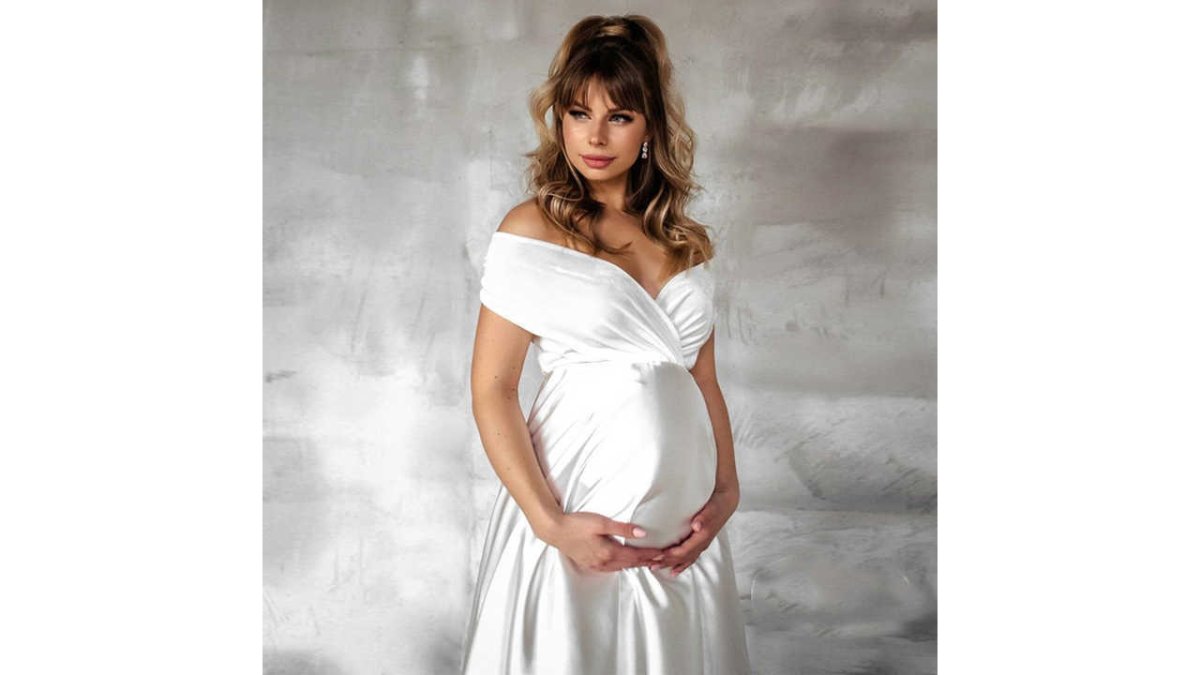
Satin Three-Dimensional Flower Dress →
Sustainable production costs more. If a gown claims sustainability but costs significantly less than comparable pieces, something's amiss.
Timeless Silhouettes That Last Beyond One Event
A timeless silhouette is the foundation of sustainable formal wear. Trends fade; classic lines endure.
The floor-length A-line silhouette works across decades and body types. The Satin Three-Dimensional Flower Dress exemplifies this: 3D florals add contemporary interest while the underlying silhouette remains eternally elegant.
Simple necklines, square, V-neck, off-shoulder, transcend seasonal fashion. Avoid trendy cuts like extreme plunges or asymmetrical designs that date the piece.
Sleeveless, short, and long sleeves remain classic. Cap sleeves and lantern sleeves add romantic detail without dating the piece. Avoid sheer panels and cut-outs tied to momentary trends.
Jewel tones (emerald, sapphire, burgundy), neutrals (black, navy, white), and pastels (blush, lavender) remain sophisticated across decades. Avoid neon or trendy combinations.
Fabric quality determines whether a silhouette actually lasts. Satin, lace, and high-quality polyester blends age gracefully. They resist pilling, maintain their drape, and look richer with wear. Fast-fashion fabrics deteriorate within seasons.
The pieces MISTY'S curates prioritise this longevity. The Off-Shoulder Backless Evening Gown works for formal occasions.
Building a Sustainable Formal Wardrobe Without Breaking the Budget
Build sustainable formal wear strategically through purchase choices and post-wear management. Most guides focus only on buying; the full lifecycle, including resale and recycling, is where real sustainability happens.
Strategic Purchasing
Start with one versatile piece under AUD$150. The Ruffled V-Neck Floor-Length Formal Dress at AUD$97.35 offers accessible elegance as your foundation piece.
Add one statement piece annually rather than impulse purchases. This slow approach prevents closet bloat and forces intentional choices.
Colour coordination extends reach: if your foundation is black, add jewel-toned and neutral pieces that work together.
Shop sales strategically, but never compromise on quality.
Choose pieces serving double duty across occasions. Versatility stretches your budget further.
Build gradually. A sustainable formal wardrobe takes time. Rushing to fill your closet defeats the purpose; you'll end up with pieces you don't love or wear.
Extending Value Through Resale
Once you've worn a formal dress multiple times, resale extends its lifecycle and recovers your investment. Quality sustainable pieces hold value because they're built to last and remain timeless.
Online platforms specialising in formal wear resale are increasingly accessible. List your dress with clear photos, accurate sizing information, and honest condition notes. A well-maintained gown worn five times still has significant resale value. Pricing it competitively (typically 40-60% of original retail for quality pieces) ensures it sells quickly, recovering funds for your next purchase.
This creates a circular economy at the individual level. Your AUD$180 dress, worn three times, resells for AUD$80-100. That recovered value funds your next sustainable purchase, reducing the net cost of building your wardrobe.
Local formal wear consignment shops also accept quality pieces. While they take a commission (typically 40-50% of sale price), they handle photography, listing, and customer service.
Recycling and Upcycling Options
Tracking Cost-Per-Wear
Building Intentionally
Conclusion
Building a sustainable formal wardrobe centres on choosing quality over quantity, investing in timeless silhouettes, and supporting ethical production practices. The shift from fast fashion to conscious consumerism isn't about sacrifice, it's about owning fewer pieces you genuinely love.
Frequently Asked Questions
What materials should I look for in sustainable evening gowns?
Seek natural fibres like organic cotton, linen, and silk, or recycled polyester made from post-consumer waste. Certifications such as GOTS (Global Organic Textile Standard) and Cradle to Cradle indicate verified ethical production. Avoid fabrics requiring heavy chemical processing.
How can I ensure my formal wear purchase is environmentally friendly?
Check for supply chain transparency: ethical brands disclose where and how garments are made. Look for fair trade certification, which guarantees workers receive fair wages. Examine fabric composition and care instructions, natural fibres and lower-impact dyes reduce environmental harm. Responsible sourcing and minimal deadstock use are signs of genuine commitment to sustainability in formal wear.
Are there rental options for sustainable formal events?
Rental services extend garment life significantly, reducing overall textile waste. Renting formal wear is ideal for one-off events like weddings or galas where you won't wear the dress again. This circular fashion approach cuts your carbon footprint compared to buying. However, if you attend formal events regularly, purchasing a timeless piece you'll wear multiple times may be more sustainable and cost-effective long-term than repeated rentals.
What's the difference between sustainable evening wear and greenwashing?
True sustainable evening wear has verifiable certifications, transparent supply chains, and concrete environmental commitments. Greenwashing uses vague terms like 'eco-friendly' without proof, lacks third-party certification, and makes broad claims without specifics. Genuine brands disclose fabric sourcing, manufacturing practices, and labour standards. Check for certifications from recognised bodies, not just marketing language. Slow fashion principles, quality over quantity, longevity, and ethical labour, distinguish authentic sustainable brands from those simply capitalising on the trend.