

Table of Contents
- Why Professional Alterations Matter for Evening Gowns Bought Online
- How to Measure for a Dress Online: A Step-by-Step Approach
- Assessing Alteration Feasibility by Gown Construction
- Common Alteration Types for Evening Gowns
- Evening Gown Alteration Cost: Budget Planning and Quotes
- Evening Dress Alteration Timeline: Working Backward from Your Event
- Choosing a Qualified Tailor and Scheduling Your Fitting
- What to Bring to a Dress Fitting Appointment
- Frequently Asked Questions
Last Updated: October 6, 2026
Why Professional Alterations Matter for Evening Gowns Bought Online
When you buy an evening gown online, evening gown alterations are rarely unnecessary, as the fit rarely comes perfect straight out of the box.
Online shopping gives you access to stunning pieces from around the world. But it also means you're ordering without trying anything on. A dress that looks flawless on the model might need adjustments for your body.
At MISTY'S, our atelier-grade pieces are designed with quality construction that works beautifully with professional tailoring. The right alterations can mean the difference between wearing a dress and feeling like you're wearing a dress.

Professional seamstresses understand how fabric behaves. They know which seams can be moved and which structural details need to stay in place. They see the garment's construction and work within its limits.
How to Measure for a Dress Online: A Step-by-Step Approach
Taking accurate measurements is the foundation of buying evening wear online. Proper measurements let you choose the right size and give your tailor a clear starting point for alterations.
Measure yourself in undergarments you'll actually wear with the gown. Stand in front of a mirror if possible. Have someone help you if you can, it's easier to get accurate readings that way.
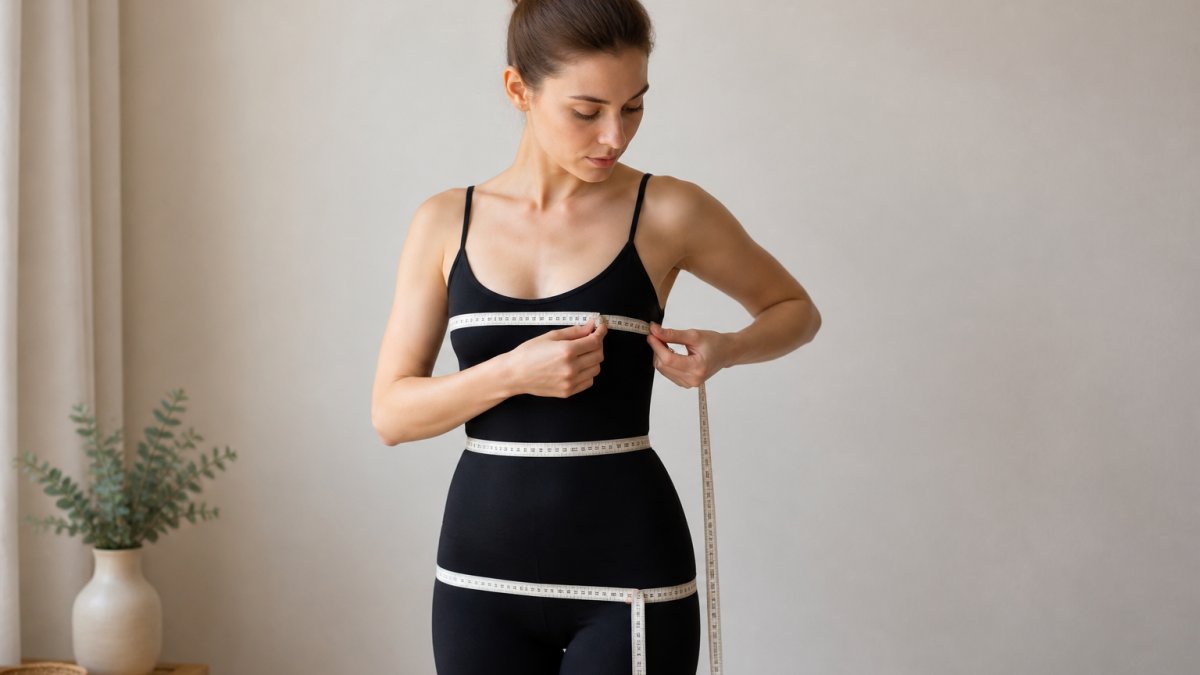
Key measurements to take
Start with these five essential measurements:
- Bust: Measure across the fullest part of your chest. Keep the tape snug but not tight.
- Waist: Measure at your natural waistline, where your body bends when you lean to the side.
- Hip: Measure around the fullest part of your hips and bottom, about 20 centimetres below your waist.
- Shoulder to hem: Stand straight and measure from the top of your shoulder down to where you want the hem to hit.
- Shoulder width: Measure across your back from shoulder bone to shoulder bone.
Write these numbers down. You'll need them when you shop and when you consult with your tailor.
Using size charts and comparing to your measurements
Every online retailer uses different sizing. Always check the specific size chart for the dress you're buying.
Compare your measurements to the chart line by line. Don't just pick your usual size. If you're between sizes, size up, alterations can take a dress in, but they can't add fabric that isn't there.
Look at the garment's construction notes. Some dresses run tight through the bust. Others have flexible waistlines. This information helps you decide whether to size up or down.
Assessing Alteration Feasibility by Gown Construction
Not every alteration is possible on every gown. The construction of the dress determines what a tailor can and cannot do. Understanding these limits before you buy saves disappointment later.
Examine the product photos and description carefully. Look at how the dress is constructed. Is it heavily embellished? Does it have a structured bodice? Is the lining sewn in or loose? These details matter.
Delicate fabrics and embellishments
Gowns with intricate beading, sequins, or lace embellishments are harder to alter. A tailor can work around embellishments, but it takes more time and costs more. Some embellishments can't be moved without damage.
Delicate fabrics like silk charmeuse, chiffon, and lace require careful handling. These materials snag easily and can pucker if seams are taken in too aggressively. A tailor experienced with evening wear knows how to work with these fabrics, but the work is more delicate and more expensive.
Polyester blends are more forgiving. They're easier to alter and more affordable to work with.
Structural details and lining considerations
Structured bodices with boning or interfacing limit how much you can take in at the sides. The boning creates a fixed shape. If you need significant changes, a tailor might need to remove and replace the boning, which adds cost and complexity.
Linings affect alteration costs too. A fully lined gown requires the lining to be adjusted along with the outer fabric. A partially lined or unlined gown is simpler to alter. Check the product description to see how the dress is lined.
Some gowns have fixed waistbands or structural seams that can't be moved. Ask your tailor about these before committing to the purchase.
Common Alteration Types for Evening Gowns
These are the alterations tailors handle most often on evening wear. Understanding what's involved helps you budget and plan your timeline.
Hemming and length adjustments
Hemming is the most common alteration for evening gowns. The cost depends on the fabric and how much length you're removing. A simple hem on a basic fabric might cost $40-$80. A hem on delicate or embellished fabric costs more, often $80-$150.
The tailor will mark the hem while you wear the shoes you'll wear to the event. This ensures the length is perfect for your actual footwear. Bring the shoes to your fitting appointment.
Waist and seam adjustments
Taking in or letting out the waist is straightforward on most gowns. A tailor adjusts the side seams to change the overall circumference. This costs between $50-$120 depending on how much needs to move and how much work the seams require.
If the dress is heavily embellished, expect to pay more. The tailor needs to carefully work around the details. Some embellishments might need to be removed and reattached.
Sleeve and bodice modifications
Shortening sleeves or adjusting the bodice is more complex than hemming. These alterations change the garment's structure and often require more skill. Expect to pay $60-$150 for sleeve adjustments and $80-$200 for bodice work.
Off-shoulder or one-shoulder gowns sometimes need adjustments to keep the neckline in place. This might involve adding elastic or adjusting the seam. Costs vary depending on the solution your tailor recommends.
Evening Gown Alteration Cost: Budget Planning and Quotes
Alterations add to the total cost of your gown. Planning for this expense upfront prevents surprises.
Typical cost ranges by alteration type
Simple alterations cost less. Combining multiple alterations increases the total but is often cheaper than doing them separately.
Manhattan One-Shoulder Metallic Split Maxi Gown →
Complex alterations cost more. Bodice work, sleeve modifications, and embellished fabric all drive costs up.
Budget for alterations when you decide on your dress. If a gown costs $290 and needs $150 in alterations, your true cost is $440. Factor this into your overall spending.
Getting quotes from multiple tailors
Contact at least two tailors before committing. Bring photos of the dress and a list of alterations you need. Most tailors offer free consultations.
Ask each tailor for a written quote. Compare not just the price but the timeline. Some tailors work faster than others. A tailor who charges more but finishes in two weeks might be worth it if your event is coming up.
Check reviews or ask for references. A skilled tailor is worth the extra cost. Poor alterations ruin an expensive gown.
Evening Dress Alteration Timeline: Working Backward from Your Event
Plan your alterations around your event date. Starting early gives you options.
Count backward from your event. If your gown arrives and needs alterations, add 3-4 weeks. That's time for the tailor to schedule you, complete the work, and make any adjustments. If your event is in six weeks, order your gown within the next two weeks.
Scheduling fittings and rush services
Your first fitting happens after the gown arrives. The tailor marks where adjustments need to happen.
A second fitting happens after the initial alterations are done. The tailor makes sure everything fits correctly.
Rush services compress this timeline. Plan ahead to avoid rush fees.
Some tailors offer weekend or evening appointments. If you work during the day, ask about flexible scheduling.
Choosing a Qualified Tailor and Scheduling Your Fitting
Finding the right tailor matters as much as finding the right gown. A tailor experienced with evening wear understands the precision these garments require.
Finding a seamstress experienced with evening wear
Ask for recommendations from friends who've bought formal wear. Check online reviews on Google or local business directories. Look for tailors who specifically mention bridal or evening wear experience.
Call ahead and ask about their experience with evening gowns. Do they work with delicate fabrics regularly? Have they altered gowns with beading or embellishments? Their answers tell you whether they're the right fit.
Visit in person if possible. Look at the shop. Is it clean and organized? Do they have samples of their work? A professional tailor's workspace shows their standards.
Questions to ask before booking
Ask these questions when you call:
- How long have you been altering evening wear?
- Can you work with delicate fabrics and embellishments?
- Can you work with gowns from online retailers?
Their answers help you decide. A tailor who's vague about experience might not be reliable.
What to Bring to a Dress Fitting Appointment
Bring everything your tailor needs to see the complete picture. This includes the gown, shoes, and undergarments.
Shoes and undergarments
Wear the shoes you'll wear to the event. Heel height changes how a gown hangs. A two-centimetre difference in heel height affects the hem length.
Wear the undergarments you'll wear with the gown. A structured bra, shapewear, or a slip all change how the dress fits. Your tailor needs to see the gown as you'll actually wear it.
Documentation and photos
Bring the product photos from where you bought the gown. These show your tailor the original design and help them understand the construction.
Take notes about what you want to change. Write down specific requests. "Shorter hem," "tighter waist," "adjust neckline", be clear. Your tailor works better with specific direction.
Bring your measurements if you have them. This gives your tailor a reference point and helps them explain what changes are possible.
Ordering an evening gown online means you're taking a chance on fit. Professional alterations turn that chance into certainty. The right tailor, proper measurements, and realistic planning make the process smooth. At MISTY'S, we design our evening gowns with atelier-grade construction that works beautifully with skilled tailoring. Our easy returns policy and worldwide shipping mean you can order with confidence, knowing alterations will perfect your gown.
Frequently Asked Questions
What alterations can be made to an evening gown?
Most evening gown alterations include hemming, waist adjustments, taking in or letting out seams, sleeve modifications, and bodice adjustments. However, the feasibility depends on the gown's construction, delicate fabrics, intricate lace, sequins, and complex linings may limit what a tailor can safely alter. Always consult a qualified seamstress before purchasing to confirm whether your specific gown can accommodate the adjustments you need.
How do I measure myself accurately for an evening gown bought online?
Take measurements in a fitted (not tight) garment, standing straight against a wall. Record bust (fullest point), waist (natural waistline), hips (fullest point), and length (shoulder to floor for floor-length gowns). Use a soft measuring tape and have someone help if possible. Compare your measurements directly to the retailer's size chart rather than relying on your usual dress size, some online evening gowns run small or use Asian sizing, so sizing up by one or two sizes is often recommended.
How much does it typically cost to alter an evening gown?
Evening gown alteration costs vary widely depending on complexity. Delicate fabrics, beading, and lining add to the cost. Get quotes from at least two tailors before committing, prices differ significantly based on experience and location. Budget for alterations when calculating your total gown investment.
How long do evening gown alterations usually take?
Rush services are available but cost more. Book your tailor at least 6-8 weeks before your event to allow time for alterations, a fitting, any adjustments, and a final fitting without stress.